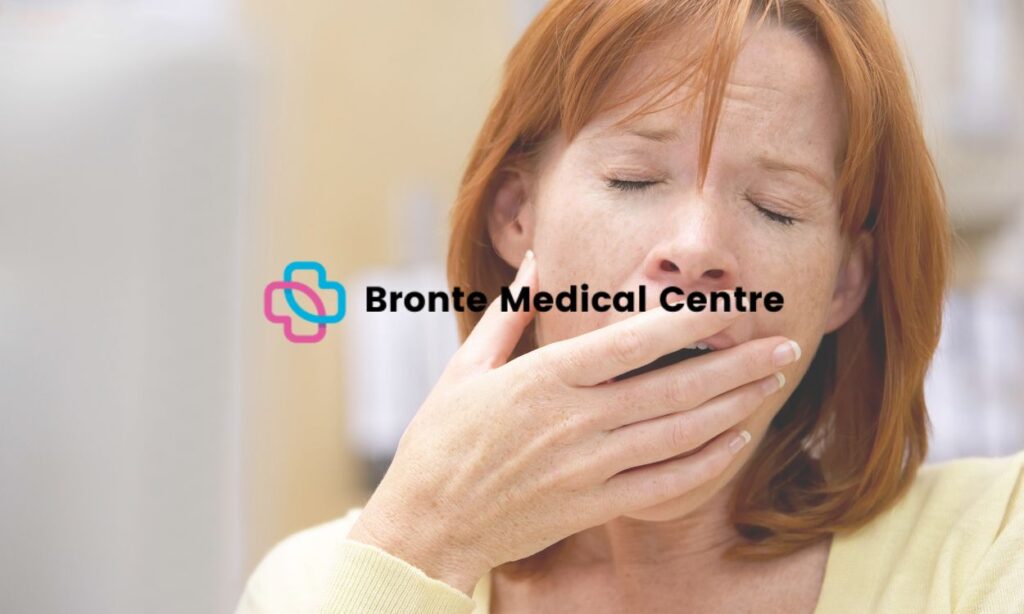
Yawning is one of the most common signs that we are tired and need a break. It is also considered a sign of social functioning because we usually yawn when talking to other people. However, there needs to be more information available about how this process works.
Increased brain temperature
Yawning is a common phenomenon in humans. It is a common indication of fatigue, boredom, and stress. It has also been linked to various medical conditions and medications.
The most widely accepted explanation for why we yawn is that it acts as a cooling mechanism. According to the thermoregulatory theory, yawning is an adaptive response to increased brain temperature. It decreases arterial blood flow and circulates more fantastic blood to the brain.
The thermoregulatory hypothesis has received several criticisms. Some critics argue that yawning is not related to brain temperature regulation. However, the theory has gained growing empirical support.
Several studies have measured changes in brain temperatures around yawns in rats and other animals. These changes depend on three variables: the ambient air temperature, the size of the animal’s brain, and the yawning frequency. The temperature reduction at external surfaces occurs before that in internal brain tissues. Yawning duration increases with the number of neurons in the brain.
Social function
Yawning is a form of non-verbal communication. It may be a signal of vigilance or a call for rest. Yawning is also a physiological phenomenon that is common to many species. It is often triggered by drowsiness and boredom. It also serves as a warning signal.
Several hypotheses have been proposed to explain the social function of yawning. Some of them have been based on behavioural observations of yawns. Others are based on the physiological functions of yawning. They all propose that yawning serves a social function.
One theory proposes that yawning is a social cue that alerts other group members that it is time for rest. Another suggests that yawning serves as a social arousal signal that signals the need for a break. Yawning is also a signal of danger and can be used to warn other group members.
Some studies have demonstrated that yawning is contagious. It is a phenomenon that occurs in humans and several other primates. Dogs and chimpanzees commonly exhibit it.
Regulates body temperature
Yawning is an involuntary reflex that is biologically based on a thermoregulatory mechanism. The mechanism is thought to be triggered during a temperature rise, and the resulting cooling reduces the surface temperature of the face. Various medical conditions may also affect yawning.
Several studies have shown that yawning can be correlated to changes in the brain and facial temperature. These fluctuations can be recorded with infrared thermal imaging. The yawning frequency can be controlled by experimental manipulations that promote brain cooling. The effect has been observed in humans, but additional experiments are necessary to confirm the causal relationship.
The yawning reflex is a common feature of animals across clades. It may be traced back to the common ancestor of mammals and birds.
Blood flows through the upper airways during yawning, ventilating and cooling the facial artery and pharynx. This may also provide counter-current heat exchange. Deep inhalation of air may also cool the venous blood draining from nasal orifices.
Helps with sleepiness
Getting enough sleep helps you to stay healthy, but some people do not get the amount of sleep they need. When you are not able to get enough sleep, you may experience fatigue, and you may also have other problems. In addition, it cannot be easy to concentrate or be productive during the day. The good news is that there are ways to combat sleepiness. Studies have shown that midday naps can improve your productivity. If you are having trouble getting to sleep at night, you may have a condition called insomnia. Taking medication can help. If you suffer from sleep apnea, narcolepsy, or other conditions that cause you to become sleepy during the day, you can find medications to help you.
If you consider you need medical attention to diagnose your health, please visit us at Bronte Medical Centre. Our team of professionals will attend to you as soon as possible; see how our health services are in Oakville.